Material
Key Areas to Soundproof in a Modern Home for Peace and Quiet
Jul 11 2026
Discover the key areas to soundproof in a modern home. Reduce noise, improve comfort, and enjoy a quieter living space in Malaysia.
There is something quietly exhausting about living in a noisy home. Whether it is the rumble of traffic outside your window, the echo of footsteps on the floor above, or the constant hum of a neighbour's renovation work, unwanted sound has a way of creeping into every corner of your day. In Malaysia, where high-density living in condominiums, terrace houses, and linked apartments is the norm, this is not just a minor inconvenience — it is a daily reality that affects sleep, productivity, and overall wellbeing.
The good news is that modern construction and interior design have come a long way in addressing this problem. Understanding the key areas to soundproof in a modern home is the first step toward creating a living environment that actually feels like a sanctuary. And no, you do not have to tear down walls or spend a fortune to make a meaningful difference.
There is something quietly exhausting about living in a noisy home. Whether it is the rumble of traffic outside your window, the echo of footsteps on the floor above, or the constant hum of a neighbour's renovation work, unwanted sound has a way of creeping into every corner of your day. In Malaysia, where high-density living in condominiums, terrace houses, and linked apartments is the norm, this is not just a minor inconvenience — it is a daily reality that affects sleep, productivity, and overall wellbeing.
The good news is that modern construction and interior design have come a long way in addressing this problem. Understanding the key areas to soundproof in a modern home is the first step toward creating a living environment that actually feels like a sanctuary. And no, you do not have to tear down walls or spend a fortune to make a meaningful difference.

Why Home Soundproofing Matters More Than Ever
Urban living is getting louder. In cities like Kuala Lumpur, Petaling Jaya, and Penang, the surrounding environment is rarely silent. Construction projects run on extended hours, traffic congestion builds up noise throughout the day, and shared walls in apartments mean your neighbour's television might as well be in your own living room.
Beyond just comfort, there is a growing body of research linking chronic noise exposure to elevated stress levels, disrupted sleep patterns, and even reduced cognitive performance. Parents working from home, students studying for examinations, and professionals on long video calls all feel the impact of poor acoustic insulation in ways that were not as pronounced a decade ago.
This is why home soundproofing solutions in Malaysia are gaining serious attention, not just among luxury homeowners but also among practical, budget-conscious families who simply want a quieter home environment.
The Key Areas to Soundproof in a Modern Home
Not every room or surface requires the same level of treatment. The most effective approach is to identify where noise enters, where it travels, and where it causes the most disruption. Here are the primary areas you should focus on.
1. Bedroom Walls and Ceilings
The bedroom is the most critical space to protect from noise. Poor sleep is one of the most immediate consequences of inadequate soundproofing, and it is also the area where people notice the problem most acutely.
In Malaysian homes, particularly in terrace houses with shared walls or condominiums with thin concrete partitions, sound transmission through bedroom walls is one of the most common complaints. Installing acoustic insulation panels, mass-loaded vinyl (MLV), or even a secondary drywall layer with resilient channels can drastically reduce sound transfer.
Ceilings deserve equal attention. Impact noise — the type caused by footsteps, furniture dragging, or children running on the floor above — travels readily through concrete slabs. Adding acoustic ceiling tiles or a suspended ceiling system with sound-absorbing materials can make a noticeable difference, especially in high-rise residences.
2. Windows and Glass Panels
Windows are arguably one of the most significant entry points for external noise in any modern home. A standard single-pane window does very little to block traffic noise, construction activity, or the kind of ambient urban sound that defines Malaysian city living.
Upgrading to double-glazed or laminated glass windows offers one of the best returns on investment in home soundproofing. The air gap between double-glazed panels interrupts sound wave transmission, while laminated glass uses an inner acoustic interlayer to dampen vibration. For homes near busy roads or in areas with frequent commercial activity, this upgrade alone can feel transformative.
If a full window replacement is not immediately feasible, acoustic window inserts — secondary panels that fit inside your existing window frame — are a practical and lower-cost alternative. Sealing any gaps around the window frame with acoustic sealant also helps, as even a small air gap can allow a significant amount of sound to pass through.
3. Doors and Door Frames
Interior and exterior doors are frequently overlooked in soundproofing discussions, but they are often the weakest acoustic link in a room. A hollow-core interior door, which is standard in many Malaysian landed properties and apartments, offers minimal resistance to sound.
Replacing hollow-core doors with solid-core alternatives is a straightforward improvement. Solid wood or solid composite doors are considerably denser and reduce sound transmission more effectively. For rooms that require greater acoustic control — such as a home studio, a home office, or a child's bedroom next to a communal living area — adding door sweeps, acoustic seals around the door frame, and even a second layer of mass material can bring the sound reduction to a professional level.
Sliding doors, which are popular in modern Malaysian home designs, present their own challenges because of the gap that typically runs along the bottom rail. Ensuring that these are fitted with high-quality seals and gaskets reduces both sound and dust infiltration.
4. Floors and Floor Underlays
Floors transmit two types of noise: airborne sound and impact noise. Airborne sound travels through the air from voices, music, or televisions, while impact noise is caused by direct physical contact with the floor surface — walking, dropping objects, or moving furniture.
Hard floor finishes like ceramic tiles and marble, both of which are very common in Malaysian homes due to their durability and ease of cleaning in tropical climates, are not ideal from an acoustic standpoint. They reflect rather than absorb sound, causing noise to bounce around a room and travel easily to adjacent spaces.
Placing acoustic underlay beneath flooring materials — whether you are installing vinyl planks, engineered timber, or carpet — dramatically reduces impact noise transmission to floors below. In apartments and condominiums, this is especially important for maintaining respectful relations with neighbours on lower floors. Even a good-quality rubber or foam underlay beneath tiles or timber can reduce footfall noise by a measurable margin.
For existing hard floors, area rugs with thick underlay serve as an accessible and cost-effective solution. They will not eliminate the problem entirely, but in practical terms, they make a meaningful contribution to a quieter interior.
5. The Home Office or Study Room
The shift toward hybrid and remote working arrangements has made the home office one of the most acoustically critical spaces in the house. A room that was once used occasionally for personal admin is now the space where professionals attend daily meetings, record content, or handle confidential conversations.
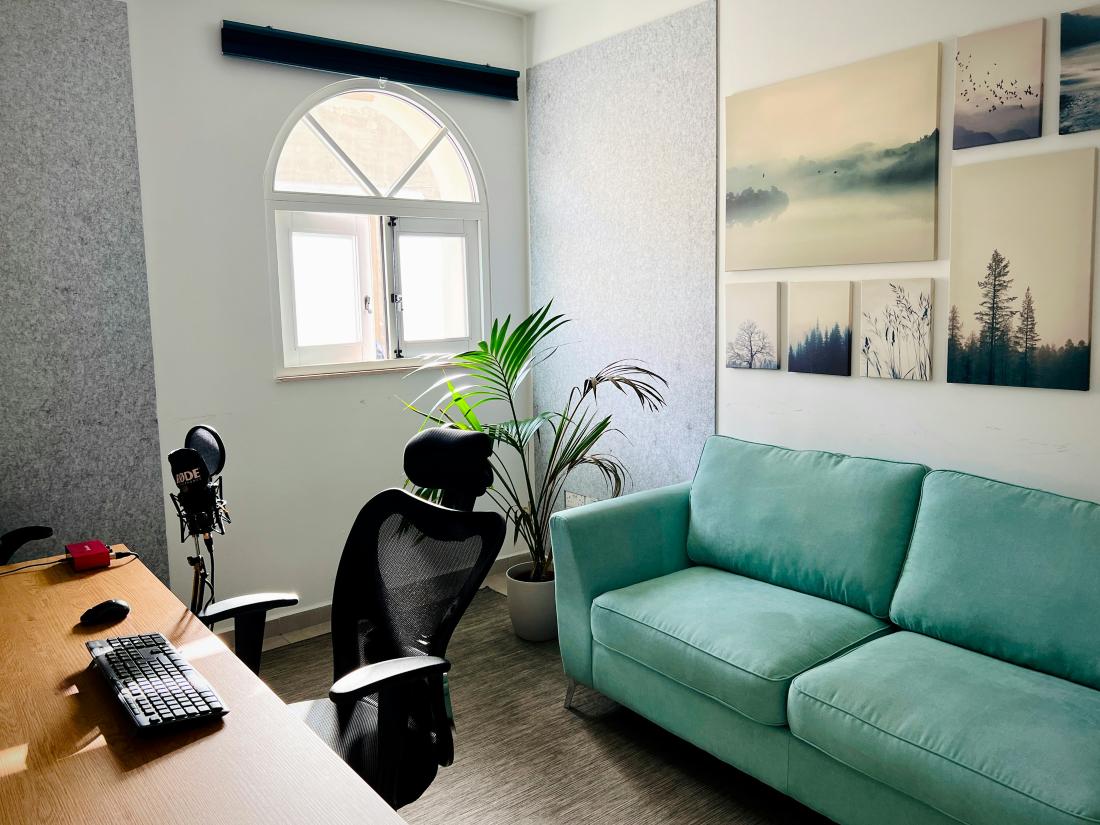
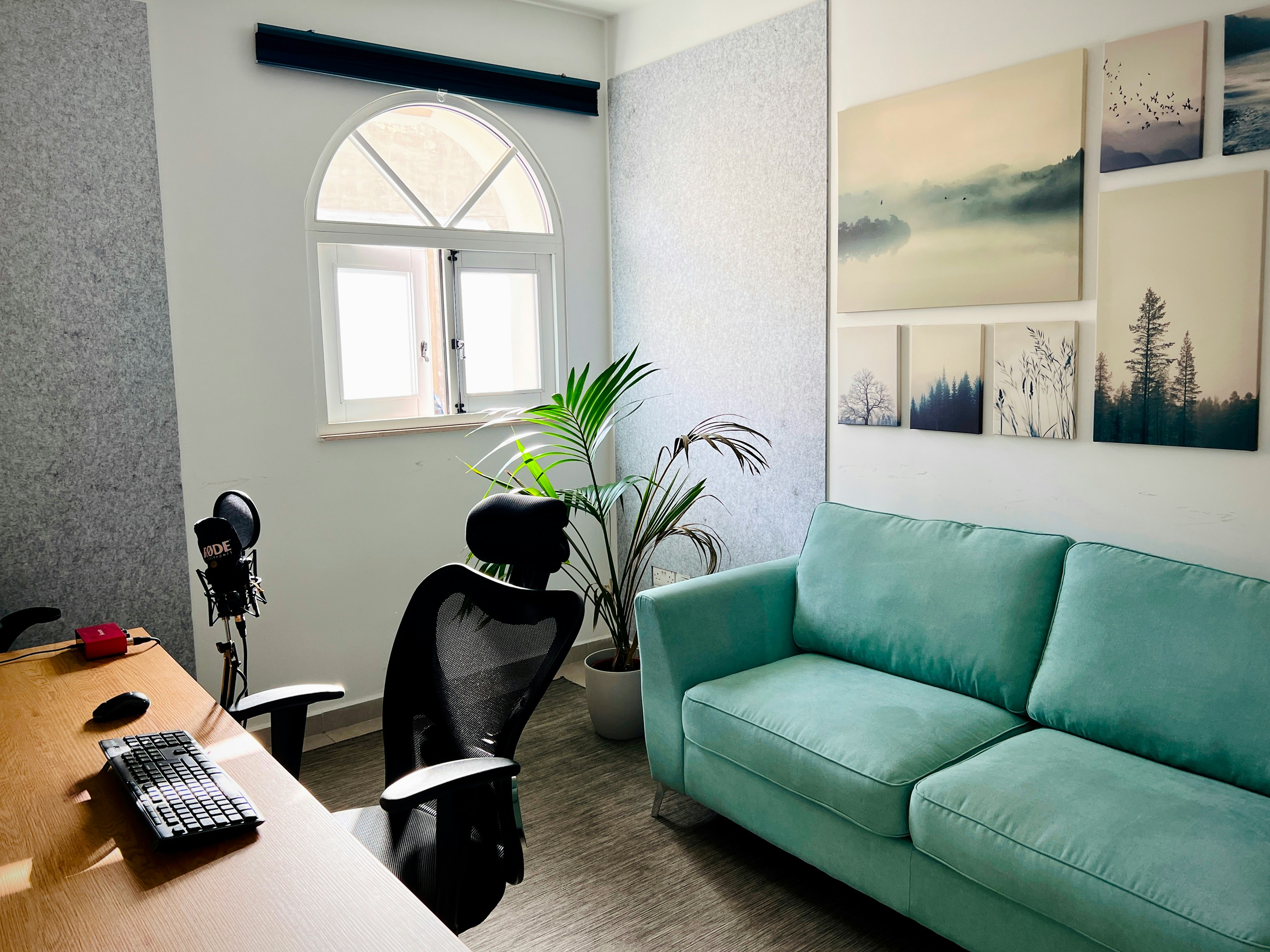
The key areas to soundproof in a modern home's workspace include the walls shared with high-activity zones like the living room or kitchen, the door separating the office from the rest of the house, and any windows facing the street or common areas. Acoustic panels mounted on walls not only reduce the amount of sound entering the room but also improve the acoustic quality within it, cutting down on echo and reverberation that makes voices sound hollow or unclear on video calls.
For renters or those who cannot make permanent modifications, standalone acoustic panels, heavy bookshelf installations, and thick curtains are effective and reversible alternatives.
6. Bathrooms and Wet Areas
Bathrooms are rarely the first space people think of when considering home soundproofing, but they can be a significant source of noise in an otherwise quiet home. The sound of running water, flushing, and ventilation fans travels easily through walls and floors, particularly in multi-storey homes where bathrooms are located above bedrooms or living areas.
Wrapping pipes with acoustic pipe lagging reduces the gurgling and rushing sounds that water pipes produce during use. Adding sound-dampening material behind wall tiles — typically during a renovation — prevents plumbing noise from becoming a persistent irritant. Choosing quieter exhaust fans rated for low decibel output is a small but worthwhile detail that makes daily living noticeably more comfortable.
7. The Living Room and Entertainment Area
Living rooms carry the paradox of being designed for activity while also needing to contain that activity acoustically. A large open-plan living area with high ceilings, hard floors, and minimal soft furnishings is an acoustic nightmare — sound bounces freely, conversations feel loud, and the television needs to be turned up simply to be heard clearly.
Addressing sound in the living room is about both blocking transmission to adjacent rooms and managing the acoustic quality within the space itself. Heavy curtains, upholstered furniture, wall-mounted acoustic panels, and ceiling baffles all contribute to absorbing sound energy rather than letting it reflect. A combination of these elements creates a space that feels warmer, quieter, and more comfortable to spend time in — without any major structural work.

Home Soundproofing Solutions Malaysia: What to Expect in Terms of Cost and Process
The scope of a soundproofing project varies widely depending on the goals, the existing construction, and the budget available. In Malaysia, basic improvements such as door seals, window gaskets, and acoustic rugs can be completed for a few hundred ringgit. Mid-range interventions involving acoustic panels, solid-core door replacements, or window upgrades typically fall in the range of a few thousand ringgit per room, depending on size and materials.
More comprehensive solutions — such as full wall acoustic insulation, double-glazing installation, or floating floor systems — represent a more significant investment, but they deliver results that are difficult to achieve with surface-level measures alone.
Working with a contractor or building materials supplier who understands acoustic performance, not just aesthetics, is key. In Malaysia, there is growing availability of specialist acoustic materials through both local suppliers and regional distributors, making professional-grade soundproofing increasingly accessible to homeowners and developers alike.
Small Steps That Make a Big Difference
Not every improvement needs to be a full renovation. If you are living in a rented property or simply want to start somewhere manageable, there are practical steps you can take immediately:
Draught-proofing gaps around doors and windows with self-adhesive seals addresses one of the most overlooked sound pathways in a home. Adding a large bookshelf filled with books on a shared wall provides both mass and absorption. Hanging thick curtains over windows — especially floor-to-ceiling styles — reduces both sound and heat, a particularly relevant benefit in Malaysia's tropical climate. Placing anti-vibration mats beneath appliances like washing machines, refrigerators, and air conditioning units reduces the structural vibration that travels through floors and walls.
These measures will not turn your apartment into a recording studio, but they make a genuine, noticeable difference in day-to-day comfort.


Frequently Asked Questions
Q1: What is the most effective area to soundproof first in a Malaysian home?
For most homeowners in Malaysia, the bedroom is the best starting point. Sleep quality is directly affected by nighttime noise, and improving the acoustic insulation of the bedroom — through windows, walls, and doors — delivers an immediate and measurable improvement to daily life. From there, addressing the home office or study room tends to offer the next greatest benefit, particularly for those working or studying from home.
Q2: Do I need to hire a contractor for home soundproofing, or can I do it myself?
Many soundproofing improvements are well within the scope of a capable DIY approach. Sealing gaps around doors and windows, applying acoustic caulk, placing rugs with underlay, and installing acoustic panels are all manageable without professional assistance. However, more involved work — such as installing new drywall layers, replacing windows with double-glazed units, or laying acoustic floor underlays beneath tiles — benefits from professional installation to ensure both effectiveness and finish quality.
Q3: Will soundproofing my home also help with heat reduction?
In many cases, yes. Several soundproofing materials also offer thermal insulation properties. Double-glazed windows, for example, reduce both noise and heat gain — a dual benefit that is particularly valuable in Malaysia's warm and humid climate. Similarly, sealing gaps around doors and windows that allow sound to enter also prevents warm air from infiltrating air-conditioned spaces, improving energy efficiency and reducing electricity costs over time.